Overview
How HRDQ-U Enhances Communication Skills
In today’s dynamic workplace, effective business communication training for employees is more important than ever. Despite speaking the same language, employees often interpret and express information differently. This can lead to misunderstandings, inefficiencies, and conflicts that hinder productivity. To ensure workplace success, mastering effective communication skills is crucial. HRDQ-U’s effective communication skills training provides tools to strengthen communication strategies, fostering a cohesive and efficient environment across all levels of your organization.
How to Improve Communication
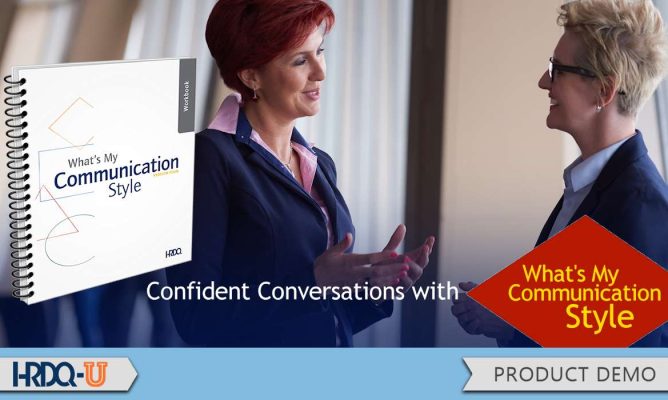
Improving communication begins with understanding both your communication style and the preferences of those around you. Each individual brings unique habits and approaches to workplace interactions, and recognizing these differences can help bridge gaps and reduce misinterpretation. Some may prefer discussing details over the phone, while others prefer email. Adjusting your style based on these preferences promotes better collaboration.
Example: “While I usually prefer emails, Jeff always calls to discuss feedback. To enhance this project’s efficiency, I’ll start calling Jeff for input instead of emailing.”
Self-awareness and flexibility are key to smoother interactions and fostering a more adaptable work environment. HRDQ-U’s business communication skills training for employees are a great resource for building this awareness, offering strategies to navigate diverse communication styles.
HRDQ-U Communication Skills Training
Investing in effective communication skills courses for employees is a smart strategy to improve interpersonal relationships, ensure clarity, and build a collaborative culture. HRDQ-U’s effective communication skills training program equips individuals with the tools needed to communicate effectively across various scenarios. By mastering skills such as active listening, open-mindedness, and clarity, you can significantly enhance your workplace’s performance and efficiency.
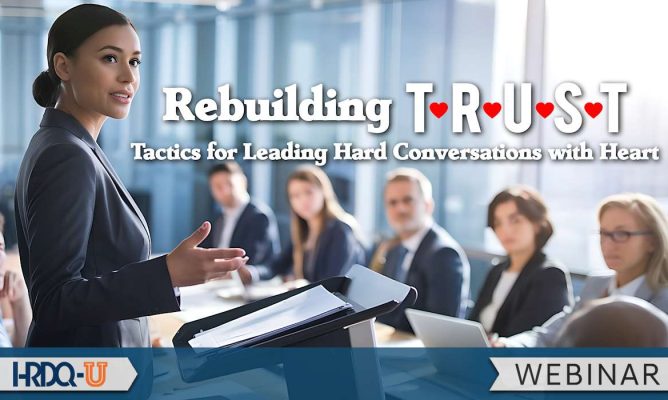
HRDQ-U’s communication webinars and resources offer comprehensive, effective business communication training that will benefit not only individual employees but the organization as a whole. Strengthen communication within your team and create a more productive, harmonious workplace by engaging in these valuable learning opportunities.
FAQs
What are the top communication skills for workplace success?
Effective communication skills are essential for thriving in the workplace. Whether managing a team, collaborating with peers, or interacting with clients, the skills acquired through communication training help you navigate challenges and prevent conflicts. Here are the key communication skills necessary for success:
Active Listening
Engaging fully in conversation allows you to better understand others’ perspectives.
Tip: Paraphrase what you’ve heard to confirm understanding. For example, “It seems like the deadline has moved to Friday, am I correct?”
Open-Mindedness
Keeping an open mind encourages creativity and collaboration, as it allows for the consideration of multiple viewpoints.
Example: “After hearing my colleague’s idea, I realized her approach could solve the problem more efficiently.”
Clarity
Communicate in a clear, deliberate manner to ensure your message is understood. People respond to what you say, not what you intend, so clarity is critical.
Tip: Before sending a message or entering a discussion, take a moment to organize your thoughts to prevent miscommunication.
Repetition
Summarizing key points ensures all parties are aligned.
Example: “To clarify, you need the report by Friday with a summary of key findings, correct?”
Using these techniques helps to reduce misunderstandings and keep interactions on track.
How can I enhance my communication with advanced strategies?
Along with the core skills previously outlined, other strategies can greatly improve communication in the workplace:
- Adaptability: Adjust your communication style to suit the preferences of colleagues or clients, leading to more effective exchanges.
- Emotional Intelligence: Recognize and manage emotions – both yours and those of others – to foster more empathetic and constructive communication.
- Constructive Feedback: Provide feedback that focuses on specific behaviors rather than personal traits, offering actionable suggestions for improvement.
By incorporating these effective communication skills strategies, you’ll improve workplace interactions, enhance team dynamics, and create a more positive and productive environment.
Why does communication skills training matter?
Engaging in effective communication skills training is essential for success at both the individual and organizational levels. When communication flows smoothly, collaboration improves, misunderstandings decrease, and relationships strengthen. This leads to better project outcomes, higher employee satisfaction, and increased productivity.
HRDQ-U’s communication webinars and resources for employees contribute to stronger workplace relationships, aligning individual goals with organizational objectives. This not only enhances team performance but also builds a positive, open work culture where employees feel valued and heard.
Does HRDQ-U offer more learning opportunities than webinars?
We offer a wide collection of learning resources, including webinars, podcast episodes, and articles focused on developing effective communication skills.
Our podcast, HRDQ-U In Review, takes your training and development skills to the next level by interviewing subject matter experts and thought leaders from recent webinars and asking them to take a deeper look at the content they shared.
The HRDQ-U Training Blog features articles written by presenters and our CEO. Each article explores the latest trends in the business world and gives readers more applicable strategies to meet the challenges of today.
Do HRDQ-U events offer certification?
HRDQ-U offers SHRM Certificates of Completion as well as Professional Development Credits and a complimentary HRDQ-U Certificate of Completion.