Sensing Talents: Navigators and Adventurers
According to my research and experience, individuals who use their dominant sensing talents to collect data (the Navigator and Adventurer) focus on collecting facts. While they may have difficulties seeing beyond facts, they can be extremely helpful in keeping the team grounded and focused, reminding the team of what Jim Collins calls the company’s core ideology.
Of course, these talents can also cause blinders. The Navigator talent, with its focus on details and the past, can get stuck and ignore or misinterpret data that is not consistent with what they already know. The Adventurer talent, with its emphasis on the present, can fail to see the need to plan for the future and instead prefer to continue responding to present challenges, fighting fires, and dealing with daily crises.
Intuiting Talents: Visionaries and Explorers
Leaders who use their dominant intuiting talents to collect data (the Visionary and Explorer) will tend to relish the forward-thinking generation of new opportunities and “what might be.” Over-reliance on the Explorer talent, however, can cause problems. While terrific at generating endless possibilities and full of inspiring energy, this talent can cause the team to lose focus and overlook the need for an implementation action plan.
The Visionary talent enjoys confronting sacred cows and leaping into a longer-range view of the future but can also get caught up in the process, fail to remain sufficiently focused on pragmatic alternatives, and miss subtle cues about changes in the environment.
Balancing Perspectives in Strategic Planning
So, the first question to ask when addressing strategic planning is how the members of the planning team see the world, whether in terms of specifics and details (sensing) that can lead to a more operational view or from a broader, more conceptual perspective (intuiting).
Then, they can examine how their creative talents can shape their strategic planning approach.
When using the thinking preferences (the Pilot and Inventor talents), leaders will tend to look at strategic planning as a direction-setting exercise in terms of defining goals, objectives, and strategies. The focus will be on numbers and quantitative analysis. Relying on these talents, leaders may work with a more traditional SWOT analysis (strengths, weaknesses, opportunities, and threats) analysis.
When leaders use their feeling preferences (the Diplomat and Poet talents), they may see the process as an exercise for setting a vision to energize the organization and define organizational values and as an opportunity to engage others in important conversations about the future. The focus will be on qualitative measures, with a concern for the stakeholders and their role in the future.
Combining Talents for a Creative Strategic Plan
Leaders using their Pilot and Diplomat talents will tend to want to see the plan in writing, with clear action steps toward a more structured future. Those using their Poet and Inventor talents may be more comfortable with seeing “strategy” as an emergent, less structured process with little need for a written plan.
Which talent is best when it comes to adding more creativity to the strategic planning process? That’s a trick question, of course! When charting the future course of an organization, leaders need to draw on all eight creative talents to be sure they are coming up with the most creative plans, balancing planning with flexibility and appreciation for the emergent nature of strategies, quantitative goals with plans that consider and engage the hearts of employees, and broad visions with practical steps to ensure action.
What has been your experience using your creative talents in strategic planning?
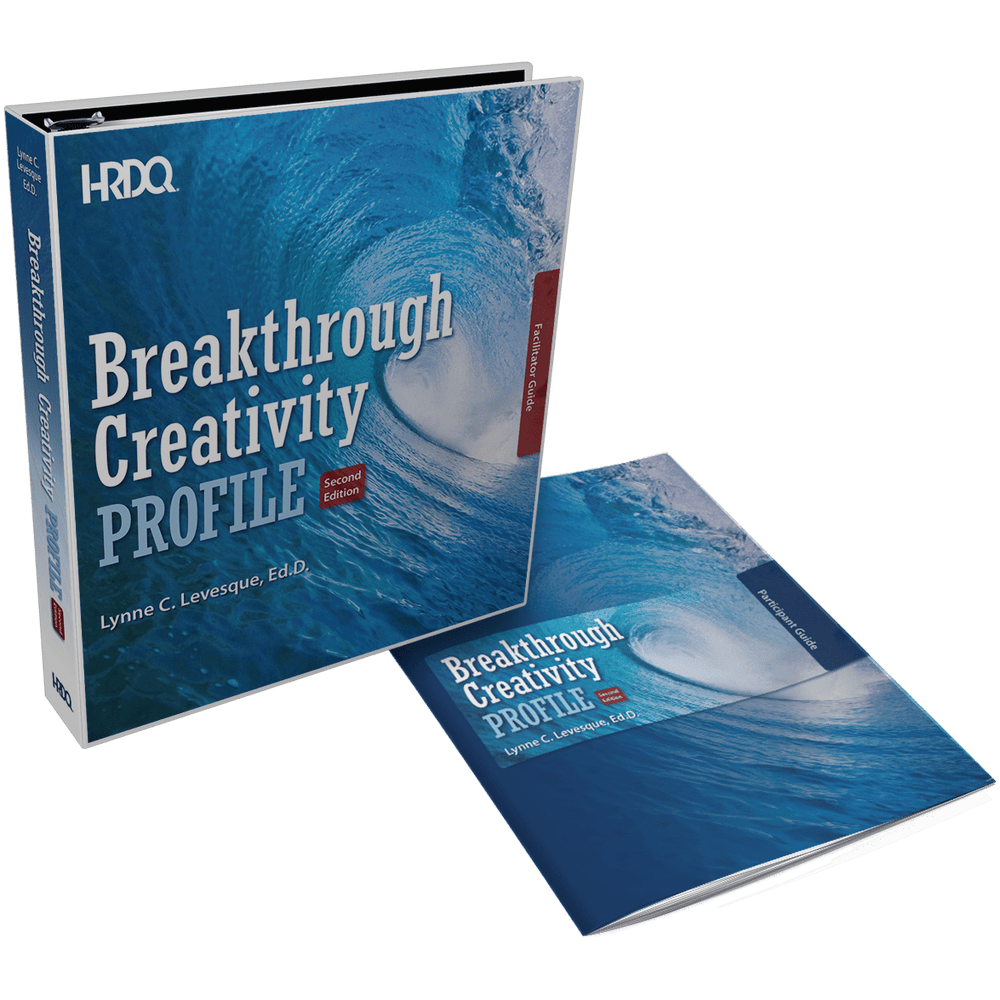
To identify your favorite creative talents and learn about ways to apply them, be sure to check out the Breakthrough Creativity Profile, and see this training resource in action in Breakthrough Creativity Profile: How to Use Your Talents for More Creative Leadership.