

View Upcoming Events
Staff Recognition: What It Is, Why It Matters, and How to Use It Effectively

Blog Post

By Devin C. Hughes

Staff Recognition: What It Is, Why It Matters, and How to Use It Effectively

staff_recognition
Staff Recognition: What It Is, Why It Matters, and How to Use It Effectively

Blog Post

By Devin C. Hughes
Staff Recognition: What It Is, Why It Matters, and How to Use It Effectively

Staff Recognition: What It Is, Why It Matters, and How to Use It Effectively

Sign up for our Newsletter

Don’t miss out on upcoming blog posts, free webinars, sales, and more!

SHARE
SHARE
SHARE
EMAIL
PRINT

It is not just the big victories that are meaningful for people. It is the little ones, too. And remembering that important fact is crucial to maximizing each staff member’s potential.

A growing body of research suggests that the concept of “small wins” in the workplace is a key element of successful employee motivation and one of the most effective ways to start the process of changing your culture. Indeed, small wins can have a disproportionate amount of power and influence beyond the achievement they represent.

Want proof?

Recommended event from HRDQ-U

Want to learn more? Watch a webinar or join a workshop on this topic.
The Gratitude Effect

The Gratitude Effect – learn how to operationalize gratitude and recognition in your workplace to fuel engagement, retention, and ROI.

The Power of Small Wins

Psychologists Teresa Amabile and Steven J. Kramer interviewed more than six hundred managers and found a shocking result: 95% of managers misunderstood what motivates employees. Managers believed “making money” via raises and bonuses was the most important motivator at work, and they listed “supporting progress” as the least important. However, after analyzing over 12,000 employee diary entries, the research revealed that the number one work motivator was emotion, not financial incentive. In other words, employees seek a feeling of making progress every day toward a meaningful goal.

As Amabile and Kramer further explain, making progress toward meaningful goals creates better performance. Subsequently, better performance depends on consistent progress, which enhances the importance of what you do. They call this the “progress loop,” and when used correctly, it reveals how important self-reinforcing habits can be.

“By supporting progress in meaningful work, managers improve employees’ inner work lives and the organization’s performance,” they write in their Harvard Business Review article. “To become an effective manager, you must learn to set this positive feedback loop in motion.”

Positive reinforcement can shape behavior. By implementing a few of these recognition and reward techniques and celebrating the small wins, you can create a more desirable work environment that motivates employees and improves productivity.

Author
Devin C. Hughes headshot
Devin C. Hughes

Devin C. Hughes is an author, speaker, consultant, executive coach, and an internationally recognized expert in the science of happiness, organizational/culture change and leadership development. He has lectured and worked with a variety of Fortune 100 companies, as well as the Secret Service, the IRS, and an assortment of profit and nonprofit organizations. Devin is the author of 20 books and has lectured in more than 15 countries. He lives in San Diego, California, with his wife, four daughters, and two rescue dogs.

Connect with Devin on LinkedInFacebookXInstagram, and at www.devinchughes.com.

Recommended Training from HRDQ-U
The Gratitude Effect

The Gratitude Effect – learn how to operationalize gratitude and recognition in your workplace to fuel engagement, retention, and ROI.

Recommended training from HRDQstore

Check out our top-selling training materials on this topic.

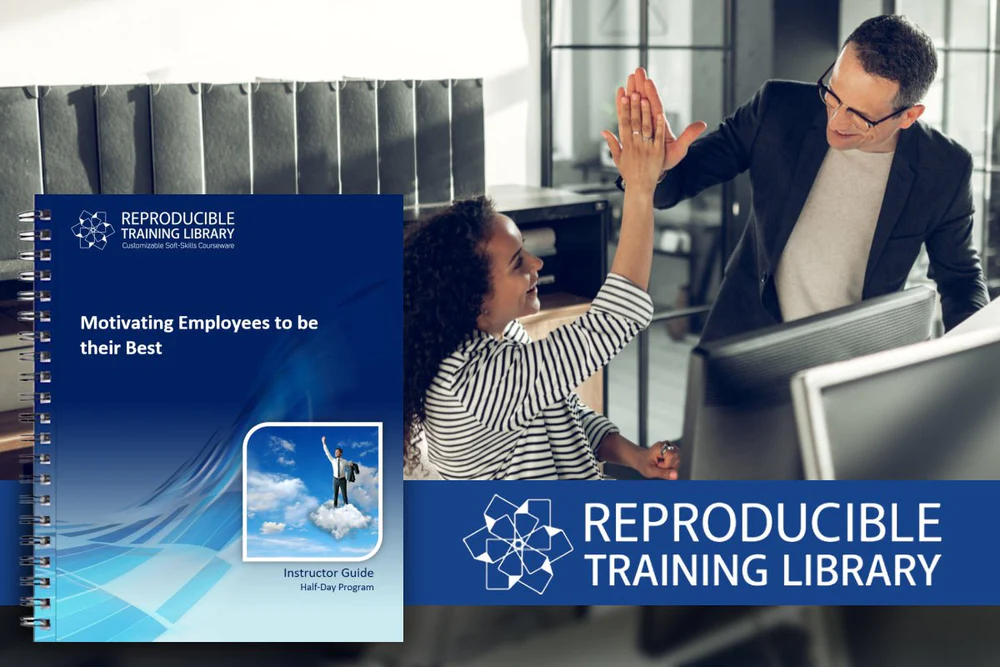
Motivating Employees to Be Their Best Customizable Courseware

Foster motivation among employees by cultivating a supportive work environment and eliminating barriers that might impede their progress. This course focuses on equipping employees with skills and strategies to build a sense of community, enhance their control over work-related decisions, and promote transparent communication.

Related Topics
Career development
Career Development
Business coaching webinar
Coaching
Creativity and innovation skills training
Creativity and Innovation
Webinar customer service
Customer Service
decision
Decision Making
Diversity and inclusion webinars
Diversity and Inclusion
leadership
Leadership
PM webinars
Project Management
Log In