Not All AI Models Deliver the Same Value
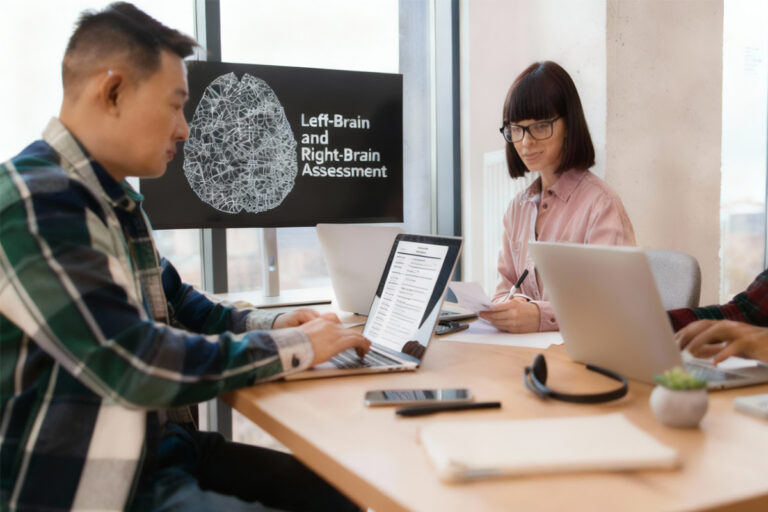
One of the most overlooked aspects of AI adoption is how different models process information. Some are built for speed, others for depth. Some prioritize creativity, while others focus on accuracy and compliance. These distinctions matter when the stakes involve identifying leadership potential, designing learning programs, or aligning talent with business goals.
If the tool isn’t properly matched to the task – or if its outputs are misunderstood – leaders risk misaligned strategies that undermine performance. The question is never just “Do we have AI?” but “What problem are we trying to solve, and which system is best suited for it?”
Mapping the Future with AI
At the same time, AI is transforming the very way organizations design people strategies. Traditional workforce planning relies on static data and long-range forecasts, but business needs and skills evolve too rapidly for those methods to suffice.
AI changes the game by offering agility and foresight. It can analyze patterns, predict emerging skill gaps, personalize learning journeys at scale, and even surface cultural risks before they damage engagement. For HR, OD, and Learning leaders, this means moving from reactive planning to proactive strategy.
Technology + Humanity = Strategic Advantage
The role of AI in HR isn’t about replacement – it’s about elevation. AI invites leaders to reimagine what’s possible when technology and humanity come together. With the right tools, organizations can craft people strategies that are not just data-informed, but future-ready and deeply human-centered.
Experience It Firsthand
Special Bonus: In my webinar, Beyond Buzzwords: Reimagining People Strategy in the Age of AI, participants will co-create outputs with large language models in real time. Using a platform that is HIPAA-compliant, SOC 2 certified, and Internet2 secure, you’ll safely explore how different models work, and see for yourself the true potential of AI in shaping the future of workforce strategy.